
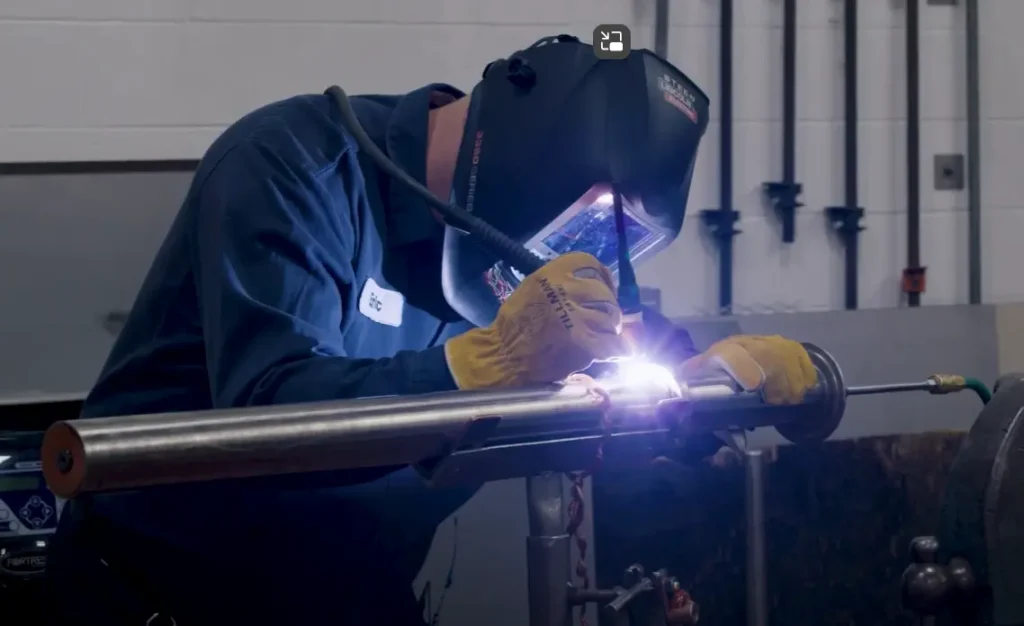
It’s 2:40 a.m. and Line 2 stops.
The cause: a gearbox bearing that ran dry. The fix: four hours, most of it spent waiting on a part nobody knew was out of stock.
Next morning, one question: when was that gearbox last serviced?
Nobody knows. Maybe it’s in the binder. Maybe it was on the whiteboard that got wiped. Maybe Mike knew, but Mike retired in June.
The machine didn’t fail because people were careless. It failed because the plant forgot.
And forgetting is expensive:
→ 2 in 3 plants hit unplanned downtime at least once a month, at around $125,000 an hour (ABB survey of 3,200+ maintenance leaders).
→ The average US maintenance tech is about 50, and a third are 55 or older (BCG).
→ In some sectors, up to 70% of critical maintenance know-how is never written down (BCG).
Quick test: ask your team which preventive tasks are overdue right now. If the answer depends on who’s on shift, your plant doesn’t have that information. It has opinions about it.
The fix isn’t new. It even has an acronym: CMMS. But most of it was built for headquarters, not for the person holding the wrench.
I’ve watched one maintenance team move off the whiteboard and onto a system built around how they actually work. What surprised me most wasn’t a report or a chart. It was hearing the technicians say they liked using it.
More on that soon.
How does your plant keep track of maintenance today: software, spreadsheets, a whiteboard, or one very busy person’s memory?